How Dental Implants Prevent Bone Loss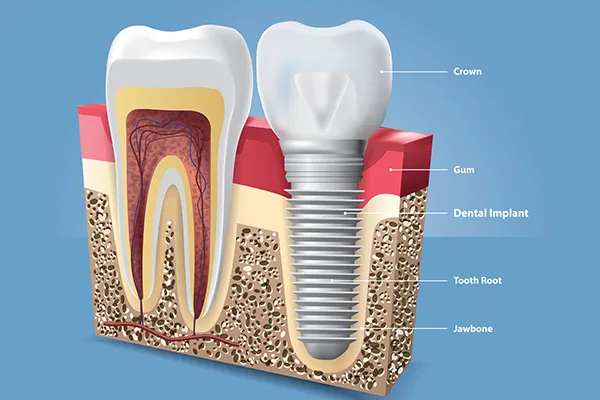
Dental implants are not only a reliable solution for replacing missing teeth—they also play a crucial role in preserving jawbone health. One of the most significant benefits of implants is their ability to prevent bone loss, a common consequence of missing teeth. At Matsui Dental in New York, NY, patients receive advanced care focused on restoring both function and the underlying structures that support long-term oral health.
When a tooth is lost, the surrounding bone begins to deteriorate due to lack of stimulation. Over time, this process can lead to structural changes in the face, shifting teeth, and additional oral health concerns. Dental implants address this issue at its source, helping maintain bone density and facial integrity.
Why Bone Loss Occurs After Tooth Loss
To understand how dental implants prevent bone loss, it’s important to first understand why bone loss happens. Natural teeth are anchored into the jawbone, and everyday activities like chewing and biting stimulate the bone tissue.
When a tooth is missing, that stimulation is lost. As a result, the body begins to break down and reabsorb the bone in that area—a process known as bone resorption. This can begin shortly after tooth loss and continue progressively over time.
Bone loss doesn’t just affect the area where the tooth is missing. It can weaken adjacent teeth, alter the alignment of your bite, and even impact the overall structure of your face. Without intervention, these changes can become more pronounced and difficult to treat.
How Dental Implants Mimic Natural Tooth Roots
Dental implants are uniquely designed to replace not only the visible portion of a tooth but also its root. This is what sets them apart from other tooth replacement options like bridges or dentures.
An implant consists of a small titanium post that is surgically placed into the jawbone. This post acts as an artificial tooth root, providing the same type of stimulation that natural teeth would during chewing.
Because the implant integrates with the bone through a process called osseointegration, it becomes a stable and permanent part of the jaw. This integration allows the implant to transfer forces to the bone, helping maintain its density and strength.
By mimicking the function of a natural tooth root, dental implants effectively prevent the bone from deteriorating.
The Role of Osseointegration in Bone Preservation
Osseointegration is the biological process that allows a dental implant to fuse with the jawbone. This connection is essential for both the stability of the implant and the preservation of bone structure.
Once the implant is placed, the bone begins to grow around it, securing it firmly in place. This creates a strong foundation that can withstand normal chewing forces.
The presence of the implant encourages the bone to remain active and healthy. Instead of being reabsorbed, the bone continues to regenerate and maintain its volume.
This process is what makes dental implants so effective in preventing bone loss compared to other restorative options.
Comparing Implants to Other Tooth Replacement Options
Not all tooth replacement options provide the same benefits when it comes to bone preservation. Understanding these differences can help patients make informed decisions about their care.
| • |
Dental Implants - Replace both the root and crown of the tooth, providing stimulation that prevents bone loss.
|
| • |
Dental Bridges - Restore the visible portion of the tooth but do not replace the root, leaving the underlying bone unstimulated.
|
| • |
Traditional Dentures - Sit on top of the gums and do not interact with the jawbone, which can accelerate bone resorption over time.
|
| • |
Implant-Supported Dentures - Offer improved stability and some bone stimulation compared to traditional dentures.
|
| • |
No Replacement - Leads to ongoing bone loss and potential structural changes in the jaw and face. |
Among these options, dental implants are the only solution that directly addresses bone preservation at its source.
Long-Term Benefits of Preventing Bone Loss
Preserving jawbone health offers numerous long-term benefits that go beyond maintaining a strong foundation for your teeth. Preventing bone loss helps support overall oral health and facial structure.
When bone density is maintained, the risk of shifting teeth and bite misalignment is reduced. This helps preserve the natural alignment of your smile and prevents additional dental complications.
Bone preservation also contributes to a more youthful facial appearance. The jawbone supports the cheeks and lips, and maintaining its structure helps prevent the sunken or collapsed look often associated with missing teeth.
In addition, healthy bone provides a stable base for future dental treatments if needed, ensuring long-term flexibility in care options.
Who Can Benefit from Dental Implants?
Dental implants are a suitable option for many patients who have experienced tooth loss. However, certain factors must be considered to ensure successful outcomes.
Ideal candidates typically have healthy gums and sufficient bone density to support the implant. In cases where bone loss has already occurred, procedures such as bone grafting may be recommended to rebuild the area.
| • |
Patients Missing One or More Teeth - Implants can replace single or multiple missing teeth.
|
| • |
Individuals with Bone Loss - Bone grafting can often make implants possible even after significant resorption.
|
| • |
Patients Seeking Long-Term Solutions - Implants are designed to last for many years with proper care.
|
| • |
Those with Good Oral Hygiene - Maintaining oral health is essential for implant success.
|
| • |
Non-Smokers or Those Willing to Quit - Smoking can interfere with healing and implant integration. |
A thorough evaluation at Matsui Dental helps determine whether dental implants are the right choice for your needs.
The Importance of Early Treatment
Timing plays an important role in preventing bone loss. The sooner a missing tooth is replaced with a dental implant, the better the chances of preserving the existing bone.
Delaying treatment allows bone resorption to progress, which may require additional procedures before an implant can be placed. Early intervention helps maintain bone volume and simplifies the treatment process.
In some cases, immediate implant placement may be possible following tooth extraction, providing continuous stimulation to the bone and minimizing loss.
Maintaining Your Implants for Continued Bone Health
While dental implants are highly effective in preventing bone loss, proper care is essential to ensure their long-term success. Maintaining good oral hygiene and attending regular dental visits are key components of implant care.
Brushing, flossing, and using recommended cleaning tools help prevent plaque buildup around the implant. Regular checkups allow for monitoring of both the implant and surrounding bone.
Healthy lifestyle habits, such as a balanced diet and avoiding tobacco, also contribute to the longevity of your implants and the health of your jawbone.
With proper care, dental implants can provide lasting benefits, preserving both your smile and the underlying bone structure.
FAQs
How quickly does bone loss occur after losing a tooth?
Bone loss can begin within the first few months after tooth loss and may continue over time if the area is not restored with a solution like a dental implant.
Do dental implants completely stop bone loss?
Dental implants significantly reduce and often prevent further bone loss by providing stimulation to the jawbone, similar to natural tooth roots.
Can bone grow back after it has been lost?
Bone can be rebuilt in many cases through procedures like bone grafting, which helps restore volume and prepare the area for dental implants.
Are dental implants better than dentures for preventing bone loss?
Yes, dental implants are more effective than traditional dentures for preventing bone loss because they stimulate the jawbone, whereas dentures rest on the gums and do not provide the same benefit. |